Valorant Champions Shanghai group stage delivers a playoff picture built on tech pauses and regional upsets
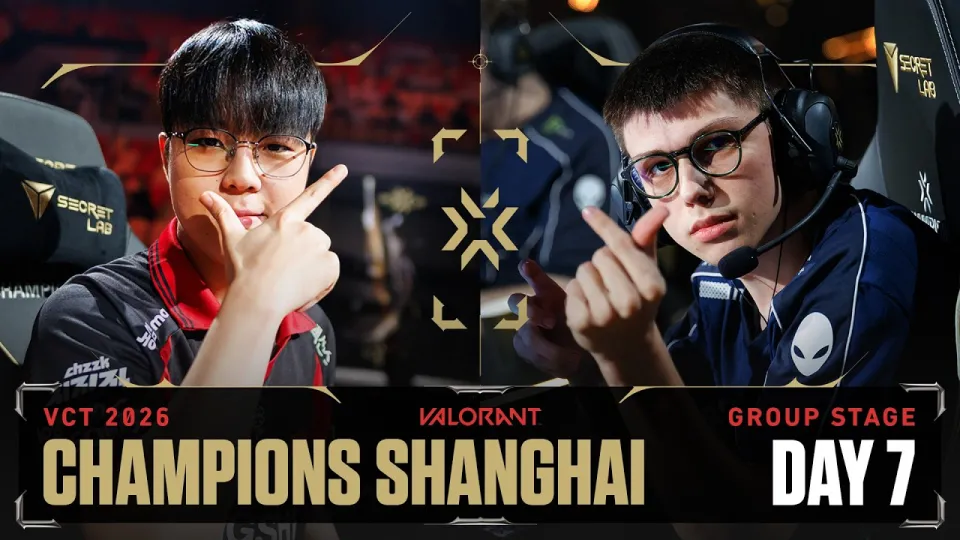
Video: VALORANT Champions Shanghai — Group Stage — Day 7
Want articles like this for your own video to promote it on YouTube and Google? Order them through the Telegram bot @sat_sit_bot. Articles with your video embedded are written and posted by the bot itself — on popular topical sites (no ads). Try it free: 50 articles on us.
Valorant Champions Shanghai is the 2026 world championship of the VCT season, running from September 24 to October 18 with sixteen teams from the Americas, CN, EMEA and Pacific fighting for the year's biggest trophy. Group Stage Day 7, published by the VALORANT Champions Tour on October 1, closed out much of the group picture and pushed the conversation toward playoffs. For schedules, brackets and official announcements, the fastest source is the official VALORANT Esports hub on X.
What the Valorant Champions Shanghai format actually asks of teams
The tournament is a sixteen-team world championship split across four regions, and the group stage is where regional depth gets tested rather than assumed. Each region sends its qualified representatives, and the group stage compresses them into a bracket where a single bad map can decide a season.
The stakes are higher than usual because 2026 already produced two different Masters champions. That means no single team arrived in Shanghai carrying an aura of inevitability, and the group stage became a genuine sorting process instead of a formality for favorites. Sixteen teams, one trophy, and a format that rewards adaptation over reputation.
Tech pauses became the story of Day 7
The most repeated reaction to the Day 7 broadcast was not about a clutch or a comeback but about downtime. Chat and comments filled with complaints about an endless series of technical pauses, with viewers asking outright why there were so many stoppages in a single broadcast day.
That matters for more than pacing. Long pauses break momentum for players, stretch broadcast windows, and make VOD viewing awkward for anyone catching up later. Communities typically respond by building spoiler-free timestamp lists so people can skip dead air, and that pattern showed up here too, with viewers organizing timestamps and noting that pauses would need to be edited around.
For a tournament positioning itself as the biggest event of the year, broadcast reliability is part of the product. The gameplay on Day 7 was frequently interrupted, and the audience noticed.
CN's group stage raised hard questions about regional strength
The sharpest criticism on Day 7 targeted the CN representatives. Viewers pointed to unlosable rounds dropped against eco buys, 5v2 advantages thrown away, and utility usage that looked improvised once prepared setups stopped working.
The broader argument in the comments was structural rather than personal: several viewers claimed stronger teams from other regions never made it to Champs at all, implying the CN slots were softer than the field deserved. Whether or not that holds up across the full group stage, the underlying point is real — international events are where regional seeding gets audited publicly, and losing eco rounds is the fastest way to lose that audit.
What CN teams need to fix is specific and mechanical rather than abstract:
- Convert eco and force-buy rounds instead of trading them for free economy.
- Close 5v2 and 4v2 retakes with disciplined crossfire instead of solo hero plays.
- Build mid-round defaults that survive when the opening set strat gets read.
- Stop bleeding tempo after a lost pistol, which is where group stage runs slip away.
Individual form and the small moments viewers replay
Day 7 also produced the kind of micro-moments that esports audiences love more than any bracket graphic. One clip that circulated involved a Yoru clone that, for a split second, looked like it was helping hold a site — the sort of accidental comedy only Valorant's utility design can generate.
On the serious side, individual veterans drew praise in the comments, with one viewer nominating a well-known pro for president as a joke about carrying form. That is the usual group stage dynamic: teams are still finding structure, so standout individuals paper over cracks and generate the highlight reels.
For viewers evaluating teams before playoffs, the useful signal is not the scoreline alone but who is creating advantages independently. A player winning opening duels and surviving retakes travels well into a bracket; a team relying on one set strat does not.
How to watch the rest of Valorant Champions Shanghai
If you are catching up rather than watching live, the practical approach is to use the official channels and avoid spoilers. The VCT publishes full match VODs and highlights on its YouTube channel, and the live broadcast runs on Twitch at https://www.twitch.tv/valorant.
A simple viewing routine works best:
- Check the official bracket and schedule before opening any VOD.
- Use community timestamp lists to skip tech pauses and pre-match segments.
- Watch map one fully for team structure, then skim map two for adaptation.
- Keep the official social accounts open for schedule changes, since delays cascade.
Common questions from the Day 7 audience
Three themes dominated viewer discussion, and each has a practical answer. The first is broadcast delays: repeated tech pauses are an operational issue, and the standard fix is editing them out of VODs and publishing spoiler-free timestamps in the meantime.
The second is regional strength. Comments argued that better teams from other regions were left out of Champs, and the only real counter is results — CN squads need to win the eco rounds and 5v2s that decide group stage maps.
The third is player form. Jokes about individual pros carrying their teams reflect a real question about which rosters have a second gear for playoffs. Group stage Day 7 did not settle that; the bracket will.
Useful links
- Official VALORANT Esports news and info: https://www.valorantesports.com
- VALORANT Esports on X: https://x.com/valorantesports
- Facebook: https://www.facebook.com/ValorantEsports/
- Instagram: https://www.instagram.com/valorantesports/
- TikTok: https://www.tiktok.com/@valorantesports
- Twitch: https://www.twitch.tv/valorant
- YouTube: https://www.youtube.com/@ValorantEsports
- Kick: https://kick.com/valorant
- Event photos: https://www.flickr.com/photos/valorantesports/
The group stage set the table, playoffs will set the legacy
Day 7 did what late group stage days do best: it converted narrative into bracket pressure. The tech pauses were a broadcast problem, the CN losses were a competitive problem, and the individual highlights were the reason people kept watching anyway. Sixteen teams arrived in Shanghai with the promise that 2026's two Masters champions had opened a real power vacuum, and the group stage narrowed that field without resolving it. The VALORANT Champions Tour channel is where the full Day 7 broadcast and the rest of the run to the October 18 final live, and the official VALORANT Esports X account is the place to follow brackets, schedules and announcements before the next match day.
Key takeaways
- Valorant Champions Shanghai runs September 24 to October 18 with 16 teams from Americas, CN, EMEA and Pacific.
- Group Stage Day 7 streamed on the VALORANT Champions Tour channel and drew heavy viewer commentary about repeated tech pauses.
- Two different Masters champions in 2026 set up Shanghai as the year's deciding event.
- Viewers questioned CN's level after lost eco rounds and blown 5v2s, arguing stronger teams missed Champs.
- The event is supported by partners including AWS, Coinbase, Red Bull, OnePlus, Secretlab and Verizon.
Source: VALORANT Champions Shanghai — Group Stage — Day 7 · Markdown version
Questions & answers
Why were there so many tech pauses during Valorant Champions Shanghai Group Stage Day 7?
The broadcast was repeatedly interrupted by technical stoppages, and viewers openly complained about the volume of downtime in a single day. The VCT has not published a detailed explanation for each pause, but the standard practice is to edit them out of VODs and publish spoiler-free timestamps so viewers can skip dead air. Long pauses also break player momentum and stretch the broadcast window.
Is CN really the weakest region at Valorant Champions Shanghai?
That claim came from viewers reacting to lost eco rounds, blown 5v2s and predictable utility usage from CN teams on Day 7. It is a fair criticism of specific mistakes, but a single group stage day does not prove regional hierarchy. The real test is whether CN squads convert economy rounds and close retakes once the bracket starts.
How many teams play at Valorant Champions Shanghai and where do they come from?
Sixteen teams compete for the 2026 world championship, drawn from four regions: Americas, CN, EMEA and Pacific. The event runs from September 24 to October 18, with the group stage feeding into the playoff bracket. Two different Masters champions in 2026 mean the field arrived without a clear favorite.
Where can I watch the full Day 7 broadcast without spoilers?
Full match VODs and highlights are published on the VALORANT Champions Tour YouTube channel, and the live broadcast airs on Twitch at https://www.twitch.tv/valorant. Community timestamp lists are the usual way to skip tech pauses and pre-match segments. Check the official bracket first so you know which matches matter to you.